
Reusable Surgical Instruments
Browse new and used reusable surgical instruments for sale from Clear Choice Medical, an independent dealer offering free domestic shipping. Most are surgical hand instruments designed for use across many procedures.
6722 products · sorted by price (high to low)


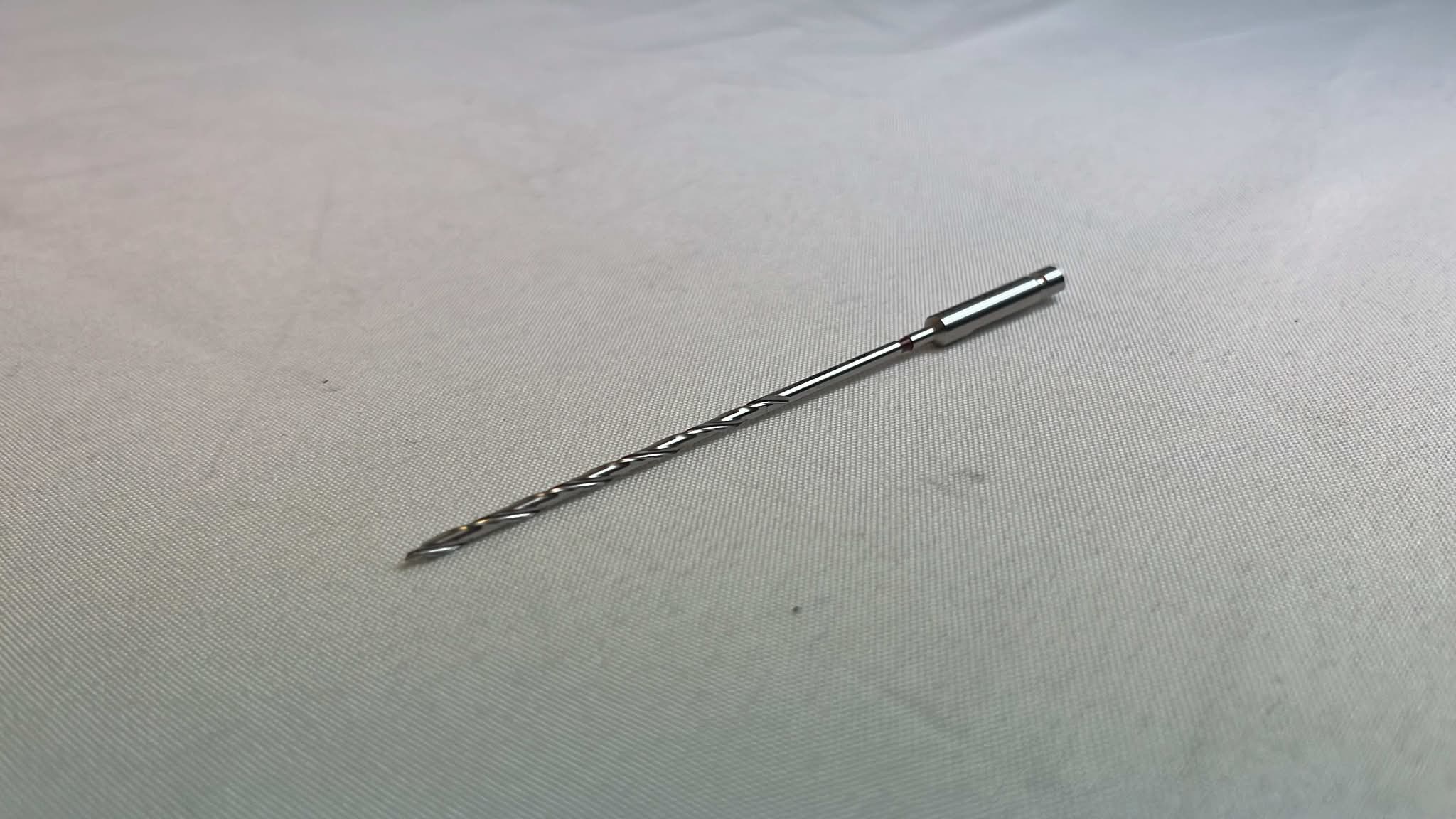


For a narrower list, open Surgical Forceps, Surgical Scissors or Surgical Retractors. Surgical Needle Holders, Surgical Clamps and Surgical Speculums have their own pages too. Beyond those six families, you will find Kerrison rongeurs, pituitary rongeurs and curettes. The page also carries periosteal elevators, osteotomes, rasps and suction tubes. Titles use trade pattern names, such as Metzenbaum scissors, DeBakey forceps and Weitlaner retractors. V. Mueller, Codman, Aesculap and Pilling are among the brand names here. A brand name only shows who made the piece, and Clear Choice Medical is not affiliated with any manufacturer.
When two listings look alike, compare the catalog number and overall length first. On forceps and clamps, look at the jaw pattern and the curve of the tips. Needle holders and hemostats usually close with a ratchet lock, and gold ring handles often mark tungsten carbide inserts. For retractors, compare blade width and depth, and note whether the design is hand-held or self-retaining. A Kerrison rongeur title often gives the working length plus the bite width and footplate angle, such as 2 mm at 40 degrees. Many makers etch their name on the instrument, so look for that mark in the listing photos, which show the actual item. Stock shifts as pieces sell. Each purchase carries a 30-day warranty against functional defects. Because all sales are final, ask Clear Choice Medical about any unclear detail before you buy.
Common questions about Reusable Surgical Instruments
What does SuperCut mean on surgical scissors?
SuperCut means one blade of the scissors is honed to a razor edge, while the other has a scissors edge. On Miltex, Sklar and V. Mueller SuperCut scissors, that other blade is serrated. Miltex says the serrations hold tissue and help prevent slippage while the razor edge cuts. Makers spell it SuperCut, Super Cut or Super-Cut. Miltex, Scanlan and Sklar SuperCut scissors often have black ring handles. Handle color alone is not proof, since some tungsten carbide versions have gold rings. In a listing title, look for SuperCut or Super Cut beside the pattern name, such as Metzenbaum or Mayo. Some catalog numbers also carry SC, as in Miltex 5-SC-46 or Scanlan 7007-294SC. Miltex also notes that its SuperCut scissors are designed to cut tissue only, not suture, gauze or tubing.
What are reusable surgical instruments made of?
Many reusable surgical instruments are made from stainless steels covered by the ASTM F899 standard. That standard sets chemistry requirements for four classes of stainless steel. They are austenitic, martensitic, precipitation hardening and ferritic steels. Martensitic grades such as 420 and 440 are common in surgical cutting instruments. They pair high hardness with acceptable corrosion resistance. Austenitic 316 stainless resists corrosion better than 420 or 440. Martensitic grades may also be slightly magnetic. A listing may not state the steel grade, so use the maker's name and catalog number to identify the piece.
What is the difference between a needle holder and a hemostat?
A needle holder has short, textured jaws for holding a suture needle, while a hemostat is a locking clamp. Most needle holders pivot like scissors, as hemostats do. Both usually lock with a ratchet on the handles. Needle holder jaws are short compared with the handles, which increases leverage. Hemostat patterns include Kelly, Crile and Halsted mosquito forceps. Needle holder patterns include Mayo-Hegar and Castroviejo. The two can look alike in photos, so read the pattern name in the title first. Then compare jaw length, jaw surface and overall length.